
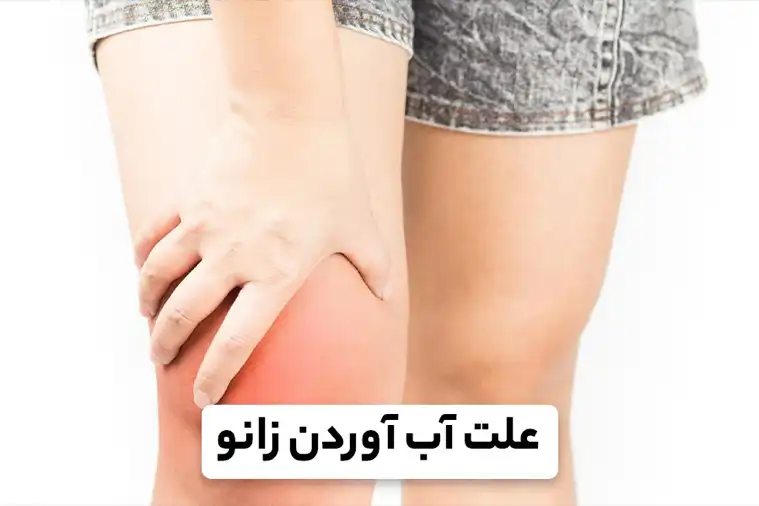
Have you ever felt your knee suddenly become swollen or heavy, making it difficult to move? This condition might be a sign of knee effusion (“fluid on the knee”); a condition caused by the abnormal accumulation of fluid within the knee joint, which can occur due to inflammation, injury, or underlying diseases.
Knee effusion is not only painful but can also hinder daily activities and sports. Awareness of its causes and treatment methods is very important because delayed treatment may lead to joint destruction. In this post, we examine the causes, diagnosis, and treatment methods for this common problem in a scientific yet understandable manner.
What is the most common cause of knee effusion?
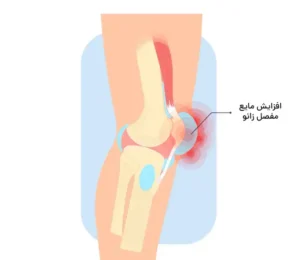
Knee effusion usually occurs when the body produces excess fluid within the knee joint in response to inflammation, injury, or infection. This reaction can happen due to direct trauma to the knee, sprains, or tears of the ligaments or meniscus. The increased fluid causes swelling, pain, and limited mobility in the joint.
In addition to physical injuries, underlying diseases such as osteoarthritis, rheumatoid arthritis, gout, or bacterial infections can also cause fluid accumulation in the knee. Obesity, strenuous activities, and aging are other factors that increase the likelihood of this problem. Accurate diagnosis of the cause is the first step in selecting the appropriate treatment.
Symptoms and Signs of Knee Effusion
Knee effusion is typically accompanied by specific signs that can indicate the severity and underlying cause of the problem. Recognizing these symptoms is crucial for timely diagnosis and prevention of joint damage.
- Visible swelling around the knee joint.
- Sensation of heaviness or pressure in the knee.
- Pain when bending or straightening the leg.
- Warmth or redness of the skin in the knee area.
- Reduced range of motion of the joint.
- Joint stiffness upon waking.
How do you diagnose a knee effusion?
Accurate diagnosis of knee effusion begins with a physical examination and review of medical history. The doctor first assesses the degree of swelling, warmth, pain, and range of motion of the joint. Then, by palpating the knee area, they evaluate the amount of fluid accumulation and joint tenderness to determine the possible type of inflammation or injury.
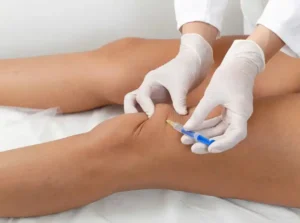
In cases where the cause is unclear, imaging techniques such as radiography (X-ray), Magnetic Resonance Imaging (MRI), or ultrasound are used. Sometimes, the doctor also extracts a sample of the synovial fluid with a syringe and sends it for laboratory analysis to detect infection, the presence of gout crystals (urate crystals), or signs of inflammation.
Medical and Home Treatments for Knee Effusion
Treatment for knee effusion varies depending on the underlying cause, the degree of inflammation, and the patient’s condition. The goals of treatment are to reduce excess fluid, relieve pain, and prevent further damage to the joint. These measures may include pharmacological methods, physical therapy, or home care.
1. Arthrocentesis (joint aspiration)
The doctor removes the excess fluid from the knee using a sterile syringe to reduce pain and swelling. This procedure is performed especially when there is a large amount of fluid or a suspicion of infection.
2. Anti-inflammatory Drugs and Analgesics
Non-Steroidal Anti-Inflammatory Drugs (NSAIDs) help reduce inflammation and pain. In more severe cases, the doctor may recommend corticosteroid injections to rapidly reduce inflammation.
3. Physical Therapy and Rehabilitation Exercises
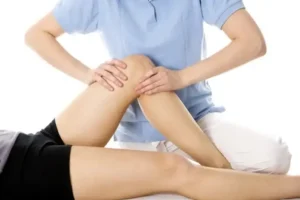
Specific physical therapy exercises strengthen the muscles around the knee and improve joint mobility. This method not only reduces pain but also helps prevent the recurrence of fluid accumulation in the joint.
4. Cold Compress and Leg Elevation
Using a cold compress several times a day and elevating the leg above the level of the heart helps reduce swelling and inflammation. This method is particularly effective in the early stages of treatment.
5. Lifestyle Modifications and Weight Control
Excess weight can put significant pressure on the knee joint. Weight loss, wearing appropriate footwear, and avoiding strenuous activities are effective factors in preventing and managing knee effusion.
Prevention Methods for Knee Effusion
Preventing knee effusion requires consistent care of the joint and strengthening of the surrounding muscles. Performing regular stretching and strengthening exercises, especially for the thigh and calf muscles, can increase knee stability. Also, warming up before exercise and avoiding sudden movements or excessive strain are very important.
Maintaining a healthy weight is one of the key preventive measures, as obesity puts significant stress on the knee joint. Choosing appropriate footwear, having a diet rich in Vitamin D and calcium, and getting adequate rest after strenuous activities also contribute to knee joint health. Paying attention to these points helps prevent inflammation and fluid accumulation.
Conclusion
Knee effusion is a common joint problem that can result from injury, inflammation, or chronic diseases. If not diagnosed promptly, this condition can lead to chronic pain, limited mobility, and destruction of joint tissue. Awareness of the causes and early symptoms plays a vital role in its effective control and treatment.
Timely treatment, physical therapy, anti-inflammatory medications, and home care can accelerate the recovery process. Alongside these, maintaining a proper weight, regular exercise, and avoiding heavy strain are key to preventing the re-accumulation of fluid in the knee. Consistent care of the joints is an effective way to maintain musculoskeletal health in the long term.
FAQ
- Is a knee effusion dangerous?
In some cases, fluid accumulation in the knee can be a sign of serious diseases such as a septic joint (infectious arthritis) or rheumatoid arthritis. If the swelling is accompanied by fever, severe pain, or redness, immediate medical attention is necessary to prevent the progression of the infection or further damage.
- Does knee effusion resolve on its own?
In mild cases resulting from overactivity or minor trauma, the swelling may decrease with rest, cold compresses, and taking anti-inflammatory drugs. However, if the swelling recurs or is accompanied by persistent pain, specialized evaluation and treatment are required.
- What is the difference between knee effusion and swelling due to arthritis?
In arthritis, the gradual wear of cartilage causes chronic inflammation and fluid accumulation, whereas knee effusion can occur suddenly following trauma or infection. An accurate diagnosis requires both physical examination and imaging, as the treatment strategy differs for each condition.
- Does diet play a role in improving knee effusion?
Yes, consuming anti-inflammatory foods such as fish, fresh vegetables, and fruits can help reduce joint inflammation. Conversely, reducing the intake of sugar and saturated fats decreases inflammatory stress on the joint and accelerates the healing process.