
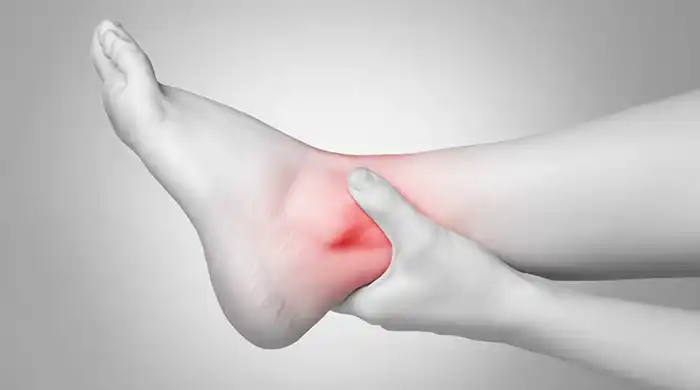
Ankle pain is a common problem that many people experience at some point in their lives and can affect quality of life. Have you also felt pain and discomfort in your ankle while walking, climbing stairs, or even resting at the end of the day? Accurately understanding the cause of this pain is very important to prevent the problem from progressing and causing movement limitations.
The ankle joint has a sensitive and highly mobile structure that bears the body’s weight when standing, running, or during daily activities. Any injury or disorder in the bones, ligaments, or tendons of this area can initiate pain. Many people do not take ankle pain seriously until it becomes chronic and disrupts their normal function. Is neglecting this issue logical?
The cause of ankle pain is not always the same, and various factors such as sports injuries, arthritis, tendon inflammation, or even systemic problems of the body can be involved. A person facing this pain is usually looking for a quick and reliable answer to know how to treat it. The goal of this post is to provide a complete, scientific, and understandable guide for all people who are looking to understand the causes and treatment methods for ankle pain.
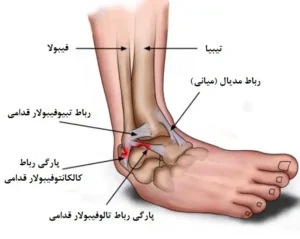
Cause of Ankle Pain
Ankle pain is usually the result of injury, inflammation, or disorder in the various structures of this area, such as bones, ligaments, tendons, and joints. Factors such as excessive pressure, improper movements, and some musculoskeletal diseases can be effective in causing this pain. Identifying the exact cause of ankle pain is very important for choosing the best treatment method and prevents the problem from progressing.
What is the Cause of Ankle Pain?
Ankle pain can occur as a result of sudden injuries such as sprains, falls, or accidents. These injuries usually cause ligament strains, damage to tendons, or even bone fractures. In these conditions, pain usually appears acutely, accompanied by swelling and limited range of motion, and for more accurate diagnosis, clinical examination and imaging are necessary to determine the severity of the injury.
In addition to acute injuries, some chronic diseases such as arthritis, tendonitis, and biomechanical problems of the foot also cause ankle pain. People who have flat feet or structural abnormalities may put more pressure on the ankle joint during activity or prolonged standing. These continuous pressures over time cause gradual degeneration of the joint and the occurrence of persistent pain that requires principled treatment.
Cause of Ankle Pain in Women
In women, ankle pain can be influenced by factors such as hormonal changes, wearing high-heeled shoes, and pregnancy. Running and daily activities with inappropriate shoes put more pressure on the ankle joint and increase the likelihood of injury or tendon inflammation. Also, during pregnancy, due to weight gain and changes in the body’s pressure distribution, the occurrence of pain and discomfort in the ankle is more common.
Symptoms of Ankle Pain You Should Pay Attention To!
Depending on the type of injury or underlying problem, ankle pain can be accompanied by various symptoms. Paying attention to these symptoms helps diagnose the problem sooner and provide appropriate treatment. Neglecting the signs may lead to worsening of the injury and movement limitations in the future.
- Pain when walking.
- Swelling and tenderness in the ankle area.
- Bruising or skin discoloration.
- Limited joint movement.
- Feeling of stiffness or rigidity in the ankle.
- Abnormal sound during movement.
- Feeling of instability or giving way of the ankle.
- Warmth or inflammation in the injured area.
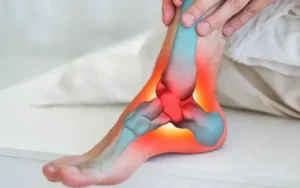
Methods for Diagnosing the Cause of Ankle Pain
Diagnosing the cause of ankle pain requires careful examination of the internal structures of the joint to determine if the problem originates from the bones, ligaments, or tendons. The physician accurately identifies the cause of pain by combining examination, patient history, and necessary imaging. The goal of this process is to choose the best treatment method and prevent the injury from progressing.
Physical Examination
The physician first checks the ankle’s movements, pain level, swelling, and tenderness at specific points. At this stage, the patient may be asked to walk or stand on one leg to assess the function and stability of the joint. This examination is the first step in diagnosing soft tissue injuries or functional problems of the ankle.
X-ray Imaging
In situations where fracture, bone injury, or joint dislocation is suspected, X-ray imaging is helpful. This method clearly shows the bone structure and enables the diagnosis of small fractures. If the result is normal, further investigation with complementary methods will be necessary.
MRI (Magnetic Resonance Imaging)
This imaging method is used to view the ligaments, tendons, cartilage, and soft tissues of the ankle in more detail. MRI is usually prescribed when the pain has an unclear origin or when ligament tear or tendonitis is suspected. Its results help determine the severity of the injury and choose the appropriate treatment.
Ultrasound
Ultrasound is a suitable option for examining tendon inflammation, fluid accumulation, or small soft tissue tears. This method is quick, safe, and radiation-free, and allows examination of the joint during movement. Physicians use ultrasound more for sports injuries or chronic inflammations.
Blood Test
If the physician suspects systemic diseases such as rheumatoid arthritis, gout, or infection, a blood test is performed. These tests can identify widespread inflammation, high uric acid levels, or active infection in the body. The results of the tests play an important role in diagnosing non-traumatic joint problems.

Can ankle pain be heart related?
Sometimes ankle pain or swelling is directly related to heart problems. In some heart diseases, the pumping function is impaired, and fluids accumulate in the lower extremities, resulting in swelling and a feeling of heaviness in the ankle. This condition is usually accompanied by shortness of breath, severe fatigue, or changes in body weight and requires careful medical examination and assessment of heart function.
What Causes Swollen Ankles and without pain?
Painless ankle swelling can be due to fluid accumulation, venous insufficiency, kidney problems, or the use of certain medications. In this case, the tissues are swollen but the patient does not feel pain, so it is often overlooked. Identifying the underlying factor is very important because timely treatment can prevent the problem from progressing and causing serious complications.
Cause of Ankle Pain During Sleep
Ankle pain during sleep may be due to muscle cramps, tendon inflammation, or abnormal pressure on the joint. Changing body position during the night can increase pressure on the ankle and cause the person to wake up with a feeling of pain or stiffness. This type of pain usually indicates the need for lifestyle modification or more detailed investigation.
Other factors such as swelling due to fluid retention, nerve problems, or mineral deficiencies can also play a role in the occurrence of night-time ankle pain. Paying attention to these signs and consulting with a physician helps accurately diagnose the cause and prevents the occurrence of chronic injuries or movement limitations.
Treatment of Ankle Pain
Treatment of ankle pain varies depending on the severity and source of the injury and can include non-surgical methods such as rest, ice packs, use of braces, or supportive shoes. The main goals are to reduce inflammation, control pain, and restore normal joint function. Following medical instructions and limiting strenuous activities during the recovery period play an important role in the success of the treatment.
In cases of severe or chronic pain, drug treatment using painkillers, anti-inflammatories, or local injections can help reduce pain and accelerate recovery. Physiotherapy and strengthening exercises to increase joint stability and prevent recurrence of pain are an essential part of the treatment process.
Treatment of Ankle Pain in Traditional Medicine
Traditional medicine offers a complementary approach to reducing ankle pain and emphasizes the use of medicinal plants, natural compresses, and lifestyle changes. Herbal oils such as arnica or olive oil, along with gentle ankle massage, can reduce inflammation and swelling and create a feeling of comfort in the joint.
Along with topical treatments, dietary changes and consumption of anti-inflammatory foods such as ginger, turmeric, and herbal teas are also recommended. Also, regular rest, avoiding excessive pressure on the joint, and performing light exercises facilitate improved blood circulation and ligament strengthening, and speed up the recovery process from ankle pain.

Preventing Ankle Pain
One of the most effective ways to prevent ankle pain is to strengthen the muscles and ligaments around the joint. Performing balance, stretching, and resistance exercises helps increase joint stability and reduces the likelihood of sprains or injuries caused by sudden pressure. Using appropriate shoes and maintaining a balanced weight also play an important role in protecting the ankle.
Daily habits such as warming up before sports activities and avoiding walking on slippery or uneven surfaces can also prevent pain. Also, paying attention to early signs such as joint swelling or stiffness and taking quick action to address them prevents the problem from progressing and causing chronic injuries.
Conclusion
Ankle pain is a multi-factorial issue that can result from acute injuries, chronic diseases, or structural problems of the body. Paying attention to the symptoms and accurately identifying the cause is the first step to prevent the problem from progressing and reducing movement limitations. Timely and appropriate treatment can significantly improve a person’s quality of life and prevent long-term complications.
Combining medical methods, physiotherapy, and preventive measures plays an effective role in managing ankle pain. Along with that, maintaining a healthy lifestyle, using appropriate shoes, and strengthening the joint muscles increase the chances of complete restoration of joint function and reduce the likelihood of future injuries. This comprehensive approach helps maintain ankle health.

FAQ
- When does ankle pain require immediate medical attention?
If the ankle pain is severe, accompanied by significant swelling, extensive bruising, or inability to bear weight, immediate medical attention is necessary. These symptoms can indicate a fracture, ligament tear, or other serious injury, and early diagnosis helps prevent long-term problems.
- Can improper shoes cause ankle pain?
Yes, shoes that do not provide adequate support for the arch and ankle or have high heels put extra pressure on the ankle joint. Continuous use of these shoes can lead to tendon inflammation, chronic pain, and increased likelihood of sprains, so choosing appropriate shoes is very important.
- How does exercise help prevent ankle pain?
Balance, stretching, and resistance exercises strengthen the ligaments and muscles around the ankle. This structural strengthening increases joint stability and reduces the risk of injuries caused by sudden pressure or sprains. Regular exercise is part of long-term prevention.
- Can ankle pain be a sign of systemic diseases?
Yes, ankle pain or swelling is sometimes due to heart, kidney problems, or inflammatory diseases such as rheumatoid arthritis. In these cases, ankle pain is accompanied by other symptoms such as widespread swelling, fatigue, or weight changes and requires comprehensive evaluation by a physician.
- Is a heat or cold compress better for treating ankle pain?
In the initial stages of injury, such as a fresh sprain, a cold compress is recommended to reduce swelling and inflammation. After the initial inflammation subsides and entering the repair phase, using a warm compress helps improve blood circulation and reduce joint stiffness. The appropriate choice between these two methods depends critically on the stage of the injury.
- Can excessive rest slow down the ankle recovery process?
Yes, complete rest for a long period may cause muscle weakness and reduced joint stability. After pain and swelling decrease, gradually starting light activities and strengthening exercises is essential. This approach helps return functional ability, prevent re-injury, and accelerate the recovery process.