

Perhaps you have also experienced waking up, taking the first step on the floor, and feeling a sharp, stabbing pain in your heel. Heel pain is one of the most common musculoskeletal complaints. This problem can range from mild discomfort to debilitating pain that impairs walking.
Many people mistakenly call any pain in this area a heel spur. But the reality is that a heel spur, in most cases, is not the cause of the pain itself, but rather a sign of another underlying problem. Understanding the true cause of heel pain is the first and most crucial step towards finding the correct treatment and achieving lasting relief.
The Primary Cause: Plantar Fasciitis
In over 80% of cases, the cause of pain in the bottom of the heel is inflammation of the plantar fascia.
What is the Plantar Fascia?
The plantar fascia is a very thick, strong, ligament-like band of tissue located on the sole of the foot. This band connects the heel bone to the toes. Its main functions are to support the arch of the foot and act as a powerful shock absorber for impacts from walking and running.
How Does Fascia Inflammation Occur?
Excessive pressure, repetitive strain, or improper use of the foot can cause micro-tears at the point where this band attaches to the heel bone. The body’s reaction to this injury is inflammation and pain. This condition is precisely what plantar fasciitis is.
Classic Sign: First-Step Pain
The hallmark sign of this problem is pain that occurs after a period of rest. Severe pain when taking the first steps after waking up in the morning, or after prolonged sitting, is the classic symptom of this condition. This pain usually decreases after a few minutes of walking and as the tissue warms up, but it often returns at the end of the day or after significant activity.
The Myth of the Heel Spur
The greatest confusion regarding heel pain concerns the role of the heel spur.
What is a Heel Spur?
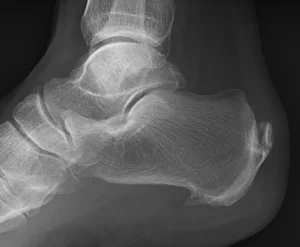
A heel spur is a small bony outgrowth (a calcium deposit) that can develop on the bottom of the heel bone, precisely at the location where the plantar fascia attaches.
Why Heel Spur is not the Cause of Pain?
The truth is that the pointed bony outgrowth itself is not painful. This spur is the result of chronic inflammation, not its cause. When the plantar fascia has been inflamed for a long time and pulls on the heel bone, the body deposits calcium in that area in response to this tension, forming the spur.
Many people have a heel spur visible on their X-ray but feel no pain. Conversely, many people have severe heel pain but no spur is visible on their X-ray. Therefore, the focus of treatment should be on reducing the inflammation of the fascia, not on the heel spur itself.
Other Causes of Heel Pain (Less Common Pains)
If your pain is not on the bottom of the heel or you don’t have the classic symptoms of plantar fasciitis, it might be due to one of these reasons:
1. Achilles Tendinitis
This pain is felt at the back of the heel, not the bottom. The Achilles tendon is the large tendon that connects the calf muscles to the back of the heel bone. Tight calf muscles or excessive running can cause inflammation and pain in this area.
2. Sever’s Disease
This is the most common cause of heel pain in active children and adolescents (usually aged 8 to 14). This pain results from inflammation of the growth plate in the heel bone, where the bone is still growing and sensitive to stress.
3. Nerve Entrapment
Sometimes, a small nerve in the ankle or heel area (such as in Tarsal Tunnel Syndrome) becomes compressed. Nerve-related pain is different; it is often described as burning, tingling, numbness, or pain that radiates to other parts of the foot.
4. Stress Fracture
This type of fracture is a hairline crack in the heel bone caused by repetitive, excessive force. Unlike plantar fasciitis, the pain from a stress fracture worsens with activity and improves with rest.
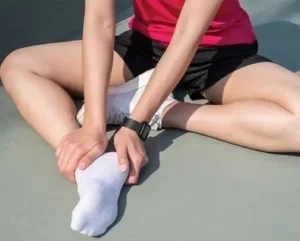
What Makes You Prone to Heel Pain?
· Foot Structure:
Both flat feet (pes planus), which overstretch the fascia, and high-arched feet (pes cavus), which are poor shock absorbers.
· Excess Weight:
Every extra kilogram of body weight exponentially increases the pressure on the plantar fascia.
· Occupation:
Jobs that require prolonged standing or walking on hard surfaces, such as teachers, factory workers, and nurses.
· Improper Footwear:
Wearing flat shoes with no arch support, high-heeled shoes, or worn-out shoes is a major risk factor.
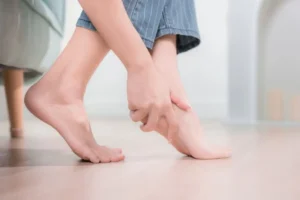
When Should You See a Doctor?
Although many cases of heel pain improve with home treatments (rest, ice, stretching), you should consult a doctor in the following situations:
- Pain that has not improved after one to two weeks of home care.
- Pain so severe that you cannot bear weight on the foot.
- The presence of significant swelling, redness, or warmth in the heel, which could indicate an infection or fracture.
- A feeling of numbness or significant tingling in the foot, which could indicate nerve involvement.
- Pain that is present at night and during rest.
Conclusion
Heel pain, particularly plantar fasciitis, is a very common but treatable problem. The key to successful treatment is accurately diagnosing the underlying cause and being patient in following the treatment plan. Ignoring this pain and continuing activities only leads to chronic inflammation and a more challenging treatment process.
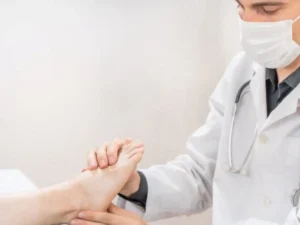
If you suffer from heel pain, listen to your body. Consult with an orthopedist or physical medicine specialist so that, by accurately identifying the cause, designing the best treatment plan—including rest, stretching exercises, proper orthotics, or other interventions— for you.
- What is the best immediate home remedy for heel pain?
Using ice (for example, rolling a frozen water bottle under the sole of the foot for 15 minutes) and performing gentle stretching exercises for the calf muscles and the sole of the foot (especially before getting out of bed) can help relieve the pain.
- Can orthotic insoles cure heel pain?
Yes, orthotic insoles are one of the most effective treatment methods. They support the foot’s arch and relieve pressure from the inflamed plantar fascia, allowing it to heal and correcting the foot’s biomechanics.
- Is surgery necessary for heel pain?
Very rarely. Over 90% of plantar fasciitis cases recover completely within a few months with conservative treatments such as rest, ice, stretching, physical therapy, orthotics, and injections. Surgery is only considered for very resistant and chronic cases that have not responded to any other treatment.