
Our Services
Spine surgery
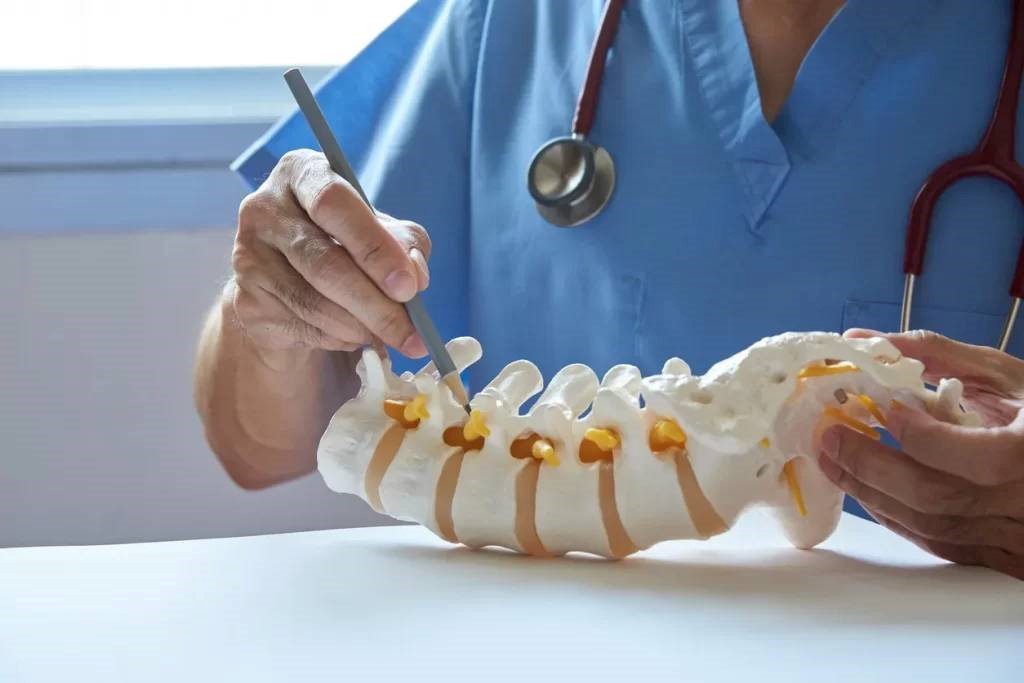
Spine surgery is one of the effective solutions for treating pain and movement disorders caused by various spinal problems. This method is used particularly when conditions, including herniated discs or spinal stenosis, affect an individual’s health status. In this post, we will review the types of spinal surgeries, their advantages, and complications.
Most common types of spine surgery
Spine surgery can be performed using various techniques, each differing according to the type and severity of the injury. The following are these methods:
●Discectomy:
This procedure involves the removal of herniated discs from the spine. This relieves pressure on the nerves and reduces severe back pain and sciatica. This surgery can be performed as an open or microdiscectomy procedure.
Laminectomy:
This surgery involves removing part of the lamina bone to relieve pressure on the spinal cord and nerves. Laminectomy can help alleviate pain and weakness caused by spinal stenosis and is also used to treat tumors and damaged tissues.
●Spinal Fusion:
This is performed when vertebrae become unstable due to arthritis or other injuries. In this method, several vertebrae are connected using screws and a bone graft to prevent abnormal movement and reduce pain.
●Spinal Deformity Correction Surgery:
This surgery is performed to correct scoliosis and kyphosis. When spinal deformity causes serious problems, this surgery helps improve the patient’s health status.
●Minimally Invasive Surgery:
This type of surgery uses small incisions and special equipment to treat problems like lumbar disc herniation. This method helps the patient return to normal life with less pain and a faster recovery period.
● Corpectomy (vertebrectomy):
In this surgery, vertebrae destroyed due to tumor or serious injury are removed and replaced with an artificial structure. This method helps reduce pressure on the spinal cord and nerves.
What spinal conditions require surgery?
Spinal surgery is recognized as an effective solution for treating various problems and diseases in this area. Generally, this surgery is performed to treat the following conditions:

Herniated Disc
This problem is usually caused by a herniated intervertebral disc and can lead to severe pain. Surgery to remove the damaged disc helps relieve pressure on the nerves.
Severe Spinal Injuries
Injuries resulting from accidents or falls may require surgery to repair the spinal structure and prevent further complications.
Spinal Stenosis
This condition leads to compression of the spinal cord and nerves, and surgery can help reduce pressure and relieve pain.
Spinal Deformities (Scoliosis and Kyphosis)
Surgery to correct deformities can help improve the patient’s condition and reduce respiratory and mobility problems.
Spinal Tumors
In cases where a tumor is found in or around the spine, surgery might be needed to remove it.
Infection or Inflammation
When there is an infection or inflammation in the spine, surgery can help clean the area and prevent further damage.
How are spine diseases diagnosed?
The methods for diagnosing spinal diseases are as follows:
Physical Examination:
The doctor assesses the patient’s condition by evaluating pain, reflexes, muscle strength, and range of motion.
X-ray:
This test helps identify fractures or tumors and can provide a clear image of the bones.
MRI, CT Scan:
These methods are used to view compressed areas in the spinal canal and soft tissues.
Myelography:
Myelography can help diagnose spinal abnormalities and their exact location.
Electromyography (EMG):
This test helps identify the nerve roots that are causing pain.
Discogram:
This procedure examines the condition of the intervertebral discs and can assist in diagnosing problems in this area.

What is the postoperative care for spine surgery

Post-operative care is very important and aids in faster recovery. These points include:
●Incision Site Care:
Keep the incision site dry for 5 to 7 days and avoid contact with water.
●Covering the Incision Site:
Be sure to use a plastic covering to protect the incision site and prevent infection.
●No Tobacco Use:
Smoking and using tobacco products harms the healing process. Therefore, avoid them.
●Sitting Limitation:
Sitting for more than 20 to 30 minutes can worsen back pain; therefore, rest in comfortable positions.
●Using a Brace:
If a brace has been prescribed, it is essential to wear it as directed, particularly during sitting and walking.
●Avoiding Heavy Movements:
Avoid bending your back and carrying items heavier than 4.5 kilograms to prevent further injury.
●Physiotherapy:
If prescribed by the doctor, physiotherapy can help you perform daily movements correctly.
When should you see a spine doctor?
If you are experiencing problems in the spinal area, consulting a specialist is essential. Symptoms such as severe and persistent pain in the back or neck, numbness or weakness in the limbs, and changes in bladder or bowel control can be serious signs requiring immediate attention.
Also, if the pain suddenly intensifies or is accompanied by fever and balance problems, you should see a doctor immediately.
Conclusion
Spine surgery can be performed in different ways; some are outpatient while others require anesthesia and hospitalization, and this choice depends on the specialist physician’s diagnosis. Given the sensitivity and importance of the spine and spinal cord in the nervous system, choosing an experienced surgeon is of high importance. This choice can significantly impact the surgical results and your recovery process.
FAQs
The cost of spinal surgery depends on several factors, including the type of procedure, its complexity, and the experience and expertise of the physician, so prices can vary significantly.
Like any other surgery, spinal surgery may also have complications. However, by following the doctor’s advice and recommendations, these complications are usually temporary and manageable.
Dr. Mirbolook's working hours
Saturday .........................from 10 am to 5 pm
Sunday .........................from 10 am to 5 pm
Monday .........................from 10 am to 5 pm
Tuesday .........................from 10 am to 5 pm
Wednesday .........................from 10 am to 5 pm