
Our Services
Orthopedic Shoe Insoles
The feet carry our entire weight and act as the body’s first shock absorber against the ground. But we often overlook the importance of this important organ. A small deviation in the sole of the foot or an improper distribution of pressure can spread its effect like a domino to the ankles, knees, hip joints and ultimately the spine.
Many chronic back or knee pains have their roots in a problem that begins in the sole of the foot. This is where orthotic insoles or orthotics come in as a smart, non-invasive treatment solution. Orthotic insoles are not just soft cushions for comfort; they are precision medical tools to correct the body’s biomechanics.
What exactly does a medical insole do?
A medical insole is a specialized device that is placed inside a shoe to improve the function of the foot. Unlike regular insoles found in stores that are designed solely for comfort or odor absorption, medical insoles have therapeutic purposes.
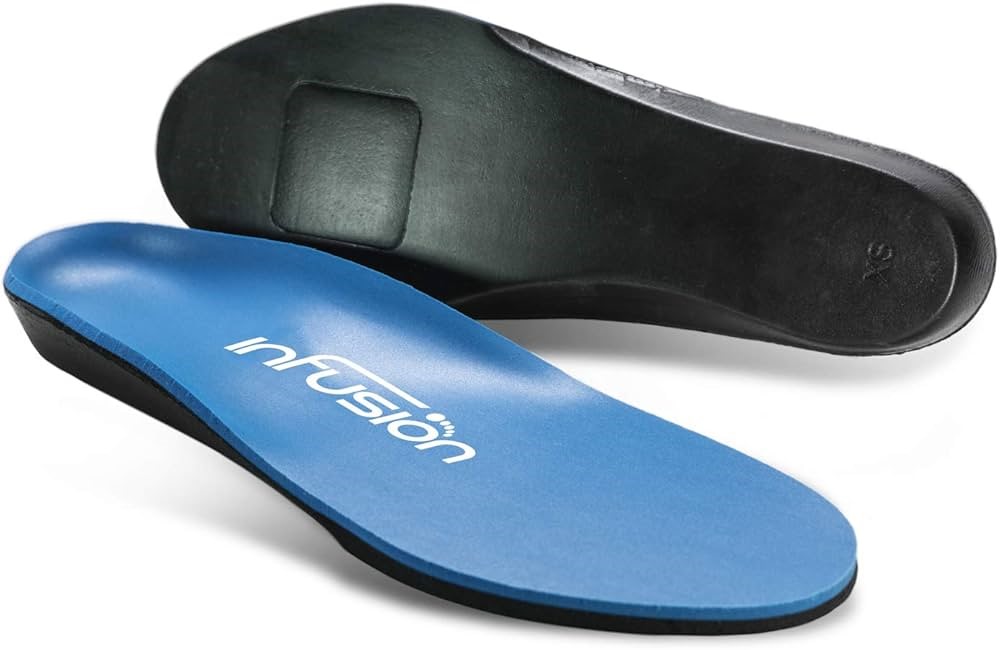
The main functions of insoles are:
1. Support:
The most important function is to support the arches of the foot. This prevents the arch from collapsing in people with flat feet.
2. Pressure redistribution:
The insole distributes the pressure of the body’s weight evenly across the entire surface of the foot, instead of concentrating it on a few points such as the heel or ball of the foot.
3. Biomechanical correction:
The insole can correct ankle deviations, such as excessive inward or outward rotation, and place the foot in the correct alignment.
Who needs orthotics?
The need for orthotics is not limited to a specific age group. Anyone with an incorrect gait pattern or lower extremity pain can be a candidate for them.
1. Flat feet
In this case, the arch of the foot is lost when standing. This causes the ankle to rotate excessively inward. Orthotics prevent this rotation by creating an artificial arch and place the foot in a neutral position.
2. Pronated feet
These people have a very high arch of the foot, which causes the foot to rotate outward. In this case, the foot loses its ability to absorb shock and most of the pressure is concentrated on the heel and ball of the foot. Orthotics help absorb shock and distribute pressure better here.
3. Heel spurs
This problem is inflammation of a thick band of tissue (plantar fascia) that connects the heel to the toes. A heel spur insole takes pressure off the heel, supports the arch, and reduces the strain on this inflamed band.
4. Knee and back pain
As mentioned, ankle sprains directly cause improper rotation of the shin bone (tibia). This rotation is transmitted to the knee joint and then the hip and can be the cause of chronic pain in these areas. A heel spur breaks this faulty chain by correcting the foot.
5. Diabetics
People with diabetes are at risk of foot ulcers. Diabetic insoles are very soft and are designed to avoid any pressure points on the foot and prevent ulcers.

Ready-made insoles vs. custom insoles
The market is full of ready-made insoles sold in pharmacies and sports stores. But what is the difference between them and custom insoles?
– Ready-made insoles
These insoles are manufactured based on shoe size and are prefabricated. They are usually suitable for providing general comfort, mild shock absorption, or partial arch support. These insoles can be a good option for mild problems.
– Custom insoles
These insoles are medical devices that must be prescribed by a doctor or orthopedic specialist. They are made exactly according to your individual needs and biomechanical problems. To make a custom insole, a complete assessment must be performed. This assessment includes examining your gait pattern and then taking a detailed mold of the sole of your foot. This mold may be done with plaster, foam boxes, or 3D computer scanners.

Types of medical insoles
Insoles are made of different materials, each with a specific purpose.
1. Hard insoles
These insoles are usually made of materials such as compressed plastic or carbon fiber. Their purpose is to provide maximum control of foot movement and severe correction of deviations.
2. Semi-rigid insoles
This type, which is more common, is made of a combination of hard layers such as plastic and soft ones such as foam or cotton. They simultaneously control the foot and have some flexibility and shock absorption.
3. Soft insoles
These insoles are made of very soft materials such as closed-cell foams or gel. Their main purpose is comfort, shock absorption and pressure relief from sensitive areas, such as diabetic insoles.

The habituation period
A very important thing for patients to know is that custom-made insoles, especially the hard and semi-hard types, are not comfortable on the first day. These insoles are changing the walking pattern and pressure that you have been accustomed to for years. Your feet and body need time to adapt to this new corrected position.
Experts recommend that you wear the insoles gradually. The first day, just one hour, the second day, two hours, and so on, adding an hour to the wear time each day. This process may take one to two weeks.
It is normal to feel a strange or slight pressure in the arch of your foot. However, if you experience pain, blisters, or bruising, you should stop using them and see your specialist to have the insoles readjusted.
Conclusion
Medical shoe insoles are a simple yet very powerful solution for a wide range of musculoskeletal problems. This tool can help relieve knee, hip, and back pain that has plagued you for years without the need for surgery or invasive medications. It’s important not to view insoles as a temporary solution. As long as you use them, your body’s biomechanics will be corrected.

Frequently Asked Questions
The lifespan of medical insoles depends on the type of insole, the patient’s weight, and their level of activity. Soft, ready-made insoles usually last 6 months to 1 year. Custom-made, semi-rigid or rigid insoles can last between 2 and 5 years, depending on use.
In some cases, yes. Orthotics, especially custom-made ones, take up space in your shoe. You need a shoe that has a replaceable factory insole and is deep enough so that your foot doesn’t feel cramped once the insole is in place. Athletic, lace-up, and comfortable shoes are usually the best options.
Yes, that’s what custom insoles are designed for. You can swap a pair of insoles between your shoes.
A foot orthotic works like glasses for the eyes. When you wear glasses, your vision is corrected, but the structure of your eye does not change. The foot orthotic also corrects your foot position and biomechanics for as long as you wear it. The orthotic is a control and support device, not a definitive treatment to permanently change the anatomy of the foot.
Dr. Mirbolook's working hours
Saturday .........................from 10 am to 5 pm
Sunday .........................from 10 am to 5 pm
Monday .........................from 10 am to 5 pm
Tuesday .........................from 10 am to 5 pm
Wednesday .........................from 10 am to 5 pm