
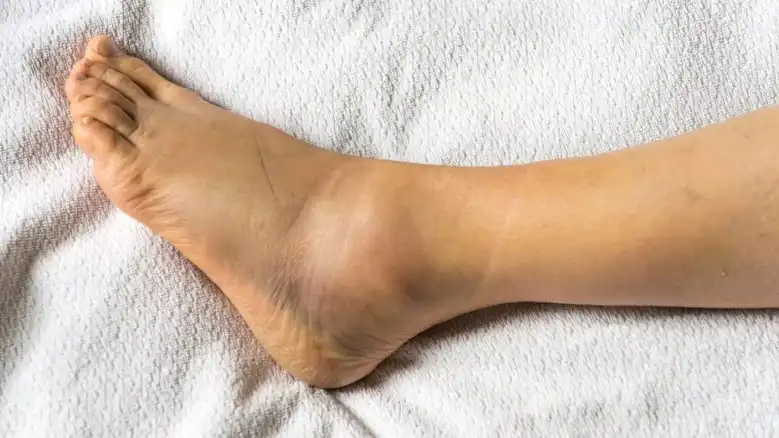
Have you ever suddenly twisted your foot while walking or exercising and experienced severe pain in the ankle? This occurrence might be a sign of an ankle sprain; a common injury caused by the stretching or tearing of the ligaments around the ankle joint, which can range from mild to severe.
If not treated promptly, an ankle sprain can lead to chronic pain, joint instability, and reduced mobility. Understanding the causes, recognizing the signs, and knowing the treatment methods for this injury are crucial for maintaining foot health and ensuring a swift return to daily activities. This post provides a scientific and practical review of this topic.
Causes of Ankle Sprain
An ankle sprain occurs when the ligaments surrounding the ankle joint are overstretched or sustain a minor tear. This injury usually happens due to a sudden fall, stepping on an uneven surface, or a severe twisting of the foot, and can lead to immediate pain and swelling.
Muscle weakness and insufficient balance also increase the likelihood of a sprain. Wearing inappropriate footwear, intense exercise without warm-up, and previous ankle injuries are other factors that increase the risk of this common problem. Understanding the causes is the first step in effective prevention and treatment.

Symptoms of Ankle Sprain
An ankle sprain is typically characterized by a set of specific symptoms, the severity of which can vary depending on the extent of the injury. Recognizing these signs aids in quicker diagnosis and initiating effective treatment.
- Sudden and very severe pain in the ankle.
- Swelling and inflammation around the joint.
- Bruising or skin discoloration.
- Difficulty or inability to bear weight on the foot.
- A feeling of instability or weakness in the joint.
- Limited range of motion when bending or straightening the foot.
Sprained Ankle Diagnosis
Diagnosis of an ankle sprain usually begins with taking a history and a physical examination. The doctor asks about how the injury occurred, the pain severity, and any history of previous problems. Then, by palpating the joint, they assess swelling and tenderness and examine the ankle’s range of motion to determine the severity and type of injury.
In cases suspected of severe ligament tearing or fracture, the doctor may use imaging techniques such as radiography (X-ray), MRI, or ultrasound. These tests help to more accurately diagnose ligament and soft tissue injuries around the joint and determine the appropriate treatment.

Medical and Home Treatments for Sprained ankle
The goals of treating an ankle sprain are to reduce pain and swelling, improve mobility, and prevent re-injury. Treatments can include home care, medication, or specialized medical procedures, depending on the severity of the injury.
1. Rest and Avoiding Pressure on the Foot
Resting the ankle and avoiding strenuous activities reduces pressure on the injured ligaments and accelerates the healing process. Using crutches or a brace is recommended in severe cases.
2. Cold Compress and Elevating the Foot
Using a cold compress several times a day helps reduce swelling and inflammation. Elevating the foot above the level of the heart also improves blood flow and tissue repair.
3. Anti-inflammatory Drugs and Analgesics
Taking Non-Steroidal Anti-Inflammatory Drugs (NSAIDs) reduces pain and swelling and increases the joint’s ability to move.
4. Physical Therapy and Rehabilitation Exercises
Physical therapy exercises strengthen the muscles around the ankle and improve balance. This method also prevents ankle instability and recurrent sprains.
5. Supportive Brace or Elastic Bandage
In cases of moderate to severe sprains, using a brace or elastic bandage provides necessary support to the joint and prevents re-stretching of the ligaments.
Prevention Methods for Ankle Sprain
Strengthening the muscles around the ankle and practicing balance play an important role in preventing sprains. Regularly performing stretching and strengthening exercises before and after exercise ensures a reduced risk of injury. Also, using appropriate footwear and ensuring a safe ground surface during daily activities and sports are very important.
Avoiding sudden movements or jumping from heights without preparation is another key to prevention. Maintaining a proper weight, warming up before exercise, and using protective gear or braces in individuals with a history of injury reduce the risk of recurrent sprains and maintain the long-term health of the ankle joint.

Conclusion
Ankle sprain is one of the common joint injuries that can occur due to trauma, sudden twisting, or weakness of the muscles surrounding the joint. If not treated promptly, this injury can lead to chronic pain, ankle instability, and limited mobility. Understanding the causes and early symptoms plays a key role in rapid diagnosis and treatment.
Appropriate treatments include rest, cold compress, anti-inflammatory medications, physical therapy, and the use of supportive braces. Adhering to prevention tips such as muscle strengthening, balance exercises, proper footwear, and avoiding sudden movements reduces the risk of re-injury and helps maintain the long-term health of the ankle joint.

FAQ
- Can an ankle sprain cause permanent damage if not treated properly?
Yes, lack of treatment or a rapid return to activity before full recovery can cause ligament weakness, ankle instability, and recurrent sprains. Following appropriate treatment and physical therapy reduces the risk of permanent damage and preserves normal joint function.
- Should I go to the doctor for a mild sprain?
In mild cases, rest and home care may be sufficient. However, if severe pain, swelling, or an inability to walk is observed, visiting a doctor is essential to diagnose more serious injuries and initiate appropriate treatment.
- Should I always wear an ankle brace after a sprain?
The use of a brace or elastic bandage varies depending on the severity of the injury. In moderate to severe sprains, these tools provide joint support and prevent re-stretching of the ligaments, but in mild cases, only rest and home care might be sufficient.
- Is exercise and physical activity after a sprained ankle dangerous?
Strenuous activity before full recovery can cause re-injury and prolong the healing process. Performing rehabilitation and recovery exercises under the guidance of a specialist ensures muscle strengthening and maintains joint balance, preventing the occurrence of recurrent sprains.