
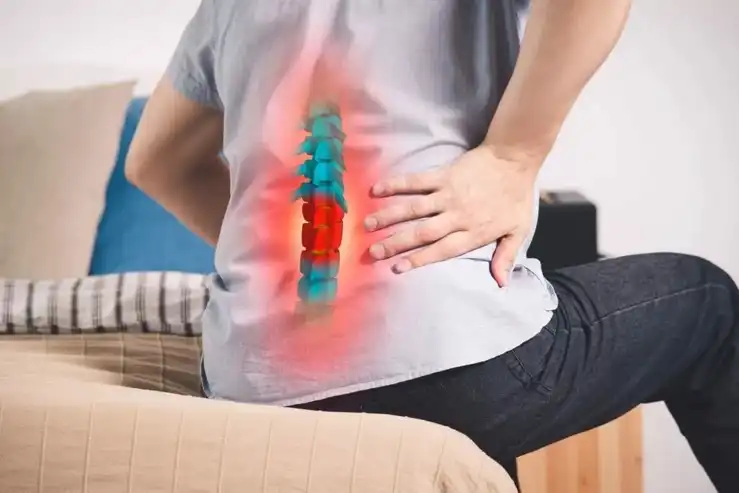
Have you ever experienced a sudden, shooting pain in your lower back that made movement difficult? This condition could be a sign of a low back strain; a common ailment often caused by sudden movements, lifting heavy objects, or excessive stress on the back muscles, which can significantly reduce daily quality of life.
Although a low back strain is not dangerous in most cases, neglect can lead to chronic pain and mobility limitations. Awareness of the causes, treatment methods, and prevention of this condition plays an important role in maintaining spinal health. In this post, we examine various aspects of this problem from a scientific and practical perspective.
What causes a strained lower back
A low back strain occurs when the muscles or ligaments in this area sustain minor tears or are stretched beyond their capacity. This condition is usually caused by sudden movements, lifting heavy objects without maintaining proper body posture, or rapid twisting of the spine. Even prolonged sitting in an improper position can predispose one to this problem.
Another common cause is weakness of the core muscles. When the abdominal and back muscles are not strong enough, more pressure is exerted on the spine, increasing the likelihood of injury. Strenuous athletic activities without proper warm-up, weight gain, and aging are also contributing factors to the occurrence of low back strain.
Signs and Symptoms of Low Back Strain
A low back strain is typically characterized by a set of physical symptoms that range from mild to severe, depending on the extent of tissue damage. Recognizing these signs can aid in quicker diagnosis and more effective treatment.
- Sudden pain in the lower back region.
- Muscle cramping or spasm.
- Sensation of stiffness or limited range of motion.
- Pain when bending or twisting the body.
- Swelling or inflammation in the injured area.
- Pain that radiates to the buttocks or thigh.
How is low back strain diagnosed?
Accurate diagnosis of a low back strain usually begins with taking a patient history and performing a physical examination. The doctor asks the patient about the onset of pain, recent activities, and history of injury. Then, by palpating the muscles and assessing spinal movements, they evaluate the degree of spasm, swelling, or tenderness to determine the severity of the injury.
In some cases, to rule out other problems such as a herniated disc or bone fracture, imaging techniques like radiography (X-ray), MRI, or CT scan may be used. These tests help the physician correctly assess the exact location of the injury and the condition of the soft tissues surrounding the spine, and thus select the best treatment method.
Lumbar strain: Treatment and Pain Relief Methods
Treatment for a low back strain is typically aimed at reducing pain, improving mobility, and preventing further injury. Treatment typically involves a multimodal approach, combining conservative measures (home care), pharmacotherapy, and physical rehabilitation, with the specific regimen tailored by the physician according to the injury grade.
1. Short-Term Rest
Rest for 1 to 2 days can reduce pressure on the injured muscles, but prolonged rest may lead to muscle weakness and a prolonged recovery period.
2. Anti-inflammatory Drugs and Analgesics
Taking Non-Steroidal Anti-Inflammatory Drugs (NSAIDs) or mild analgesics can reduce pain and inflammation, making movement easier.
3. Physical Therapy and Stretching Exercises
Targeted physical therapy exercises help strengthen the back and abdominal muscles, increase spinal flexibility, and also reduce the likelihood of re-injury.
4. Heat and Cold Therapy
Alternating use of warm and cold compresses can reduce pain, control inflammation, and accelerate the muscle healing process.
5. Massage Therapy and Manual Therapy
Specialized massage and manual therapy techniques help reduce muscle spasms, improve blood flow, and increase spinal mobility.
How to Prevent Lower Back Strain?
Strengthening the core muscles is one of the most important ways to prevent low back strain. Regular exercises for the abdomen, back, and pelvic muscles support the spine and reduce sudden stress. Maintaining a proper weight and correcting body posture while sitting, standing, and lifting objects also play a crucial role in prevention.
Furthermore, warming up before exercise and avoiding sudden or heavy movements without muscle preparation reduce the risk of injury. Wearing appropriate footwear, taking short breaks during prolonged activity, and regularly performing flexibility exercises are other effective strategies for maintaining back health and preventing strains.

Conclusion
Low back strain is a common problem that can affect daily quality of life. Understanding the causes and symptoms of this condition plays a vital role in rapid diagnosis and initiating effective treatment. Sudden movements, lifting heavy objects, and weak core muscles are among the main factors causing this problem.
Effective treatments include short-term rest, anti-inflammatory medications, physical therapy, and massage. By strengthening muscles, correcting body posture, and adhering to preventive measures, recurrence of low back strain can be prevented. Paying attention to spinal health and simple daily care is the key to maintaining quality of life and reducing chronic back pain.
FAQ
- Can a low back strain lead to chronic pain?
Failure to address muscle injuries or premature return to strenuous activity significantly increases the risk of developing chronic pain. Adhering to treatment guidelines and strengthening exercises helps reduce the risk of long-term pain and maintains normal spinal function.
- Does age influence susceptibility to low back strain?
With aging, the flexibility of ligaments and muscles decreases, increasing the likelihood of injury. Older adults should perform regular strengthening and stretching exercises to prevent extra stress on the spine and reduce the risk of strain.
- Do strenuous exercises always cause low back strain?
Strenuous exercises only cause injury if performed incorrectly or without proper warm-up. Proper planning, controlled movements, and strengthening the core muscles minimize the risk of injury and make exercise safe and beneficial.
- Do stress and mental state affect low back strain?
Stress can lead to prolonged contraction of the back muscles, putting extra pressure on the spine. Maintaining calm, practicing breathing techniques, and engaging in relaxing activities help reduce muscle tension and prevent injuries caused by nervous tension.